Counselling: this much I know…
Ruth, a counselling trainee, has just moved on after being an important part of our team for nine months. Why would she recommend counselling?
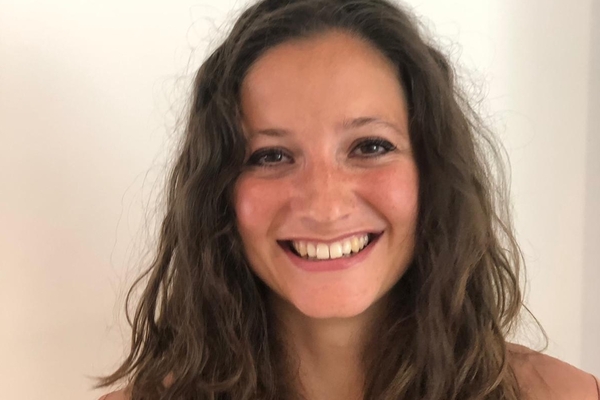
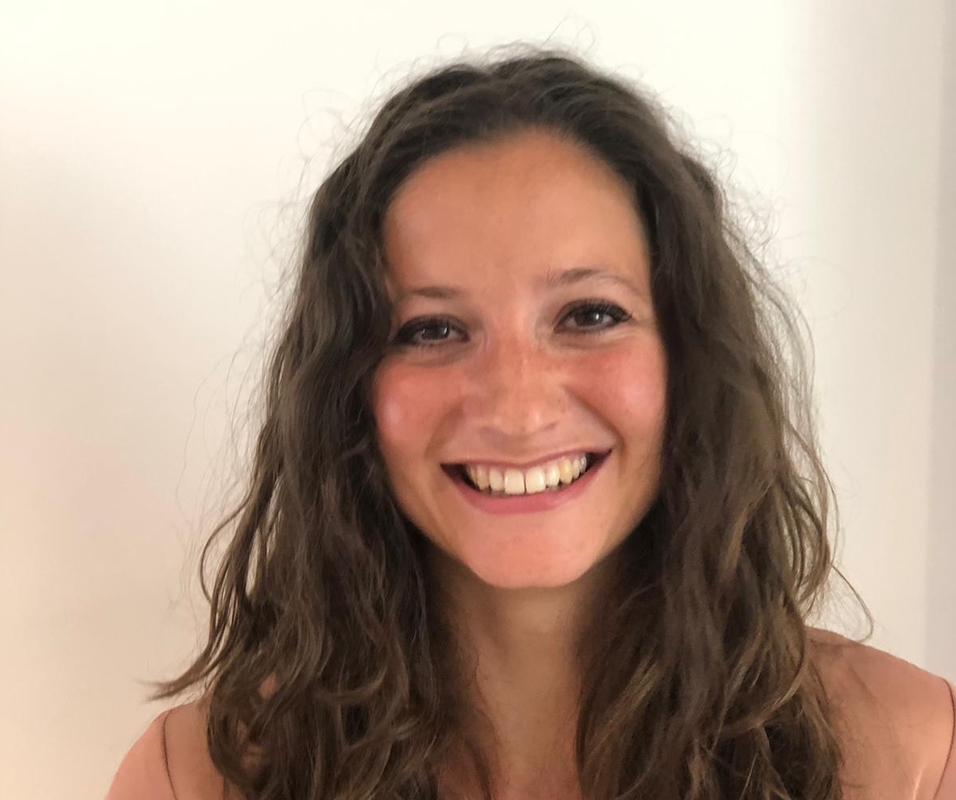
Ruth, one of Bristol After Stroke’s counselling trainees, has just moved on after being an important part of our team for the last nine months. How did she enjoy the experience? What did she learn? And why would she recommend counselling to anyone considering they might need some support but feel anxious about asking?
So how did you come to us in the first place, Ruth?
I’ve been a secondary school teacher for a number of years now, largely working with vulnerable young people in and outside of the school system. But I decided to change track - I still wanted to contribute towards society, providing healing and nourishment… but without burning out.
I’ve loved working with young people, but knew I wanted to work more with adults in environments that still showed care and space for growth.
I saw the placement advertised on the university database and it really spoke to me: particularly how BAS invests in its community, service-users and trainees alike.
I’m studying at the Metanoia Institute, in London, while still working with young people.
It’s quite a lengthy but interesting process and I’m currently halfway through – BAS has been my first step into working with clients.
It’s been a wonderful placement to learn, grow and work with clients.
And how many people have you worked with in your time with us?
I have had six clients in total. As a trainee, you have the sessions on your own with each client, but you are supervised – I felt very supported.
Interestingly, with BAS, you are going into people’s homes. Clients aren’t coming to you.
There’s something actually quite special about going into people's homes.
I think it can balance the power dynamic between the counsellor and the client in an unexpected positive way. It becomes a more ‘mutual’ process… you’re met at the door and invited in on the client’s terms. That gives the client more agency in a way.
What particularly appealed to you about working with stroke-affected people?
I have a background of being a carer. And I find the relationship between people whose lives are changing… whether that's being cared for, or being a carer, or uncovering a new type of self-care… and the relationship with their mental health, it is really quite interesting and unique.
Nearly all of the clients I have been with, I would say, were people who had never necessarily considered counselling before. It doesn’t always occur to someone that they might be deserving of a space to process what they have been through.
Someone who has a stroke has seen their lives change quite fundamentally… physically, yes, but also existentially.
They can be grieving for the life they led and the assumptions they once held. They can be confronting their own fragility or even just humanness – something they might, so far, not had to confront in life.
There can be generational differences: some older clients can have a challenge around what they see as the stigma of expressing their emotions and releasing that vulnerable side; some younger clients may face the challenge of vulnerabilities and change they didn’t expect to experience so young.
What most had in common – no matter their age – was that they often wanted to take care of the emotions of their loved ones.
That makes it critical to create a space that feels non-judgmental, safe and client-led… where they can express, accept, grieve and release, without impact or expectation on or from others.
How have you found working with BAS?
I've very much felt a part of a community, being part of an organisation giving so much visibility and support and joy to a genuine mix of people, of all ages and from different backgrounds.
It's a really caring organization to work with and very person-centred.
Everyone has been unwaveringly patient and supportive in my professional development: it very much practices what it preaches by looking after everyone in the team too, as service users and their carers… a truly holistic way of working.
What advice would you give to someone who might be thinking about counselling but feel inhibited?
The counselling with BAS is very much client-led, so it's really what you, the client, want to bring to it, big or small. And that is honoured and respected… it follows what you might want or need it to be.
It's usually just six sessions after an initial meeting, but a surprising amount of processing can be done in that time.
It's also accessible… approachable. You can stop when you want and have agency over what is being explored. Most people find that it becomes a space that feels quietly supportive and safe.
Some people might feel that counselling is not for them, that it’s not the way they deal with things. But counselling can be for everybody.
We as counsellors are more interested in you and your process and meeting you where you are at. Not enforcing change, not prescribing outcomes, not casting expectations.
After all, we are all human. And every human knows pain, loss, fear, challenge. Everyone deserves support in a way that meets and serves them.
There is a kind of quiet courage in taking a first step towards counselling, but there is also a meaningful return that I've consistently seen for all clients that have engaged in it – even when it was never something they particularly envisioned.
For some people it has dislodged things that have been stuck for decades; for others it's a quieter process that just allows in a little bit more space and lightness.
Everyone's different, and everyone's needs are different. But each process can aid discovering new ways of connecting with yourself, moving through and (in the end), moving forward.


