Peer mentoring: one man's story
As Jim Phillips says, the experience has been hugely positive for him as well as those he has been working with.
Thanks to generous funding from National Lottery, we have been training stroke-affected people to become “peer mentors”.
This trail-blazing concept allows them to harness their own stroke experience to help others still coming to terms with the changes to their life.
So far, some 14 volunteers have been traíned… and over 30 people received mentoring.
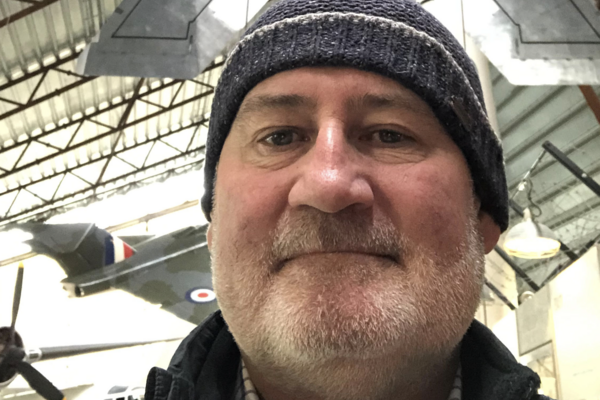
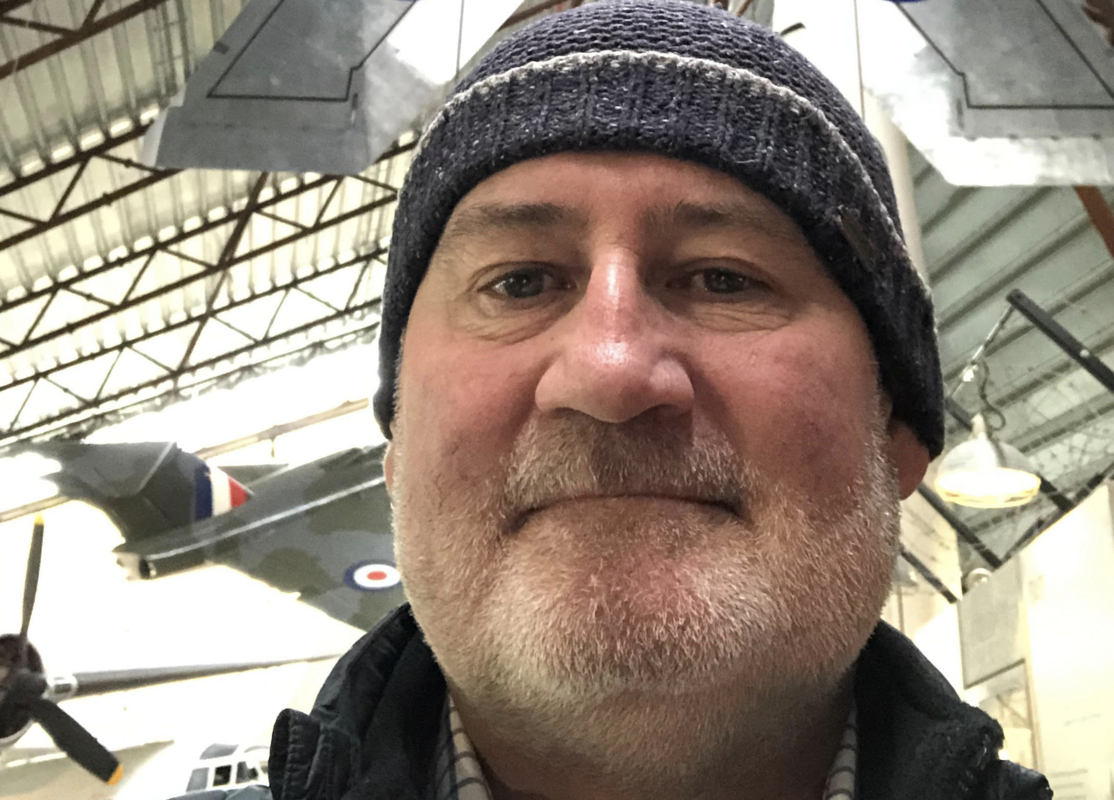
Jim Phillips is one of them; and, as he says, the experience has been hugely positive for him as well as those he has been working with.
I had my stroke in May 2020, but I was extremely fortunate. Yes, it was a major stroke, but I made a good recovery. I was able to get on with my life fairly quickly.
But some things had changed… I simply hadn’t recognised or acknowledged it.
Three years in and I started to struggle psychologically. I was getting sudden emotional reactions that I didn’t know how to deal with, for example... always difficult for blokes! I was also really getting fatigued.
I never spoke to anyone about this, but I knew I had to sort it out – and that’s when I discovered Bristol After Stroke.
The counselling they gave me really helped, and that’s when I also started to speak to others who had had a stroke. I realised that I’d been very lucky – my stroke really was a “glancing blow”. Part of me felt guilty about that. I think that’s quite a common reaction.
But I also wanted to give back for the help I’d received… and that’s why I became a peer mentor. The training was excellent and prepared me well... that said, I’m still learning!
You have to understand that you’re not providing counselling… you’re listening to your mentee, sharing your own experiences where relevant and helping them accept that their life has changed, confront the reality of where they now are and move on from there.
The fact that you have had a stroke yourself really helps: they will open up more knowing you will understand them.
The mentor’s role is to make them feel better equipped to cope, and also inject some optimism into how they feel about themselves. To enjoy what they can do… and not just think about what they can’t.
It’s not onerous – just an hour or so every couple of weeks. And it has been hugely rewarding. A positive has come out of what happened to me.
Would I encourage others to volunteer?
Absolutely… it has probably helped me on my own recovery journey too.


