UK Stroke Forum 2025: identifying new ways forward
CEO Rebecca Sheehy recently represented Bristol After Stroke at the UK Stroke Forum. How did it go? And what did she learn?
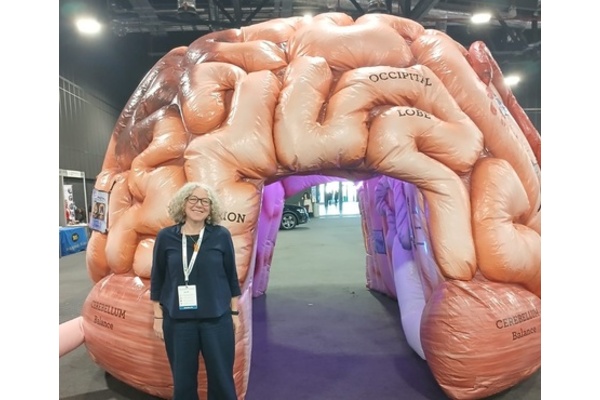
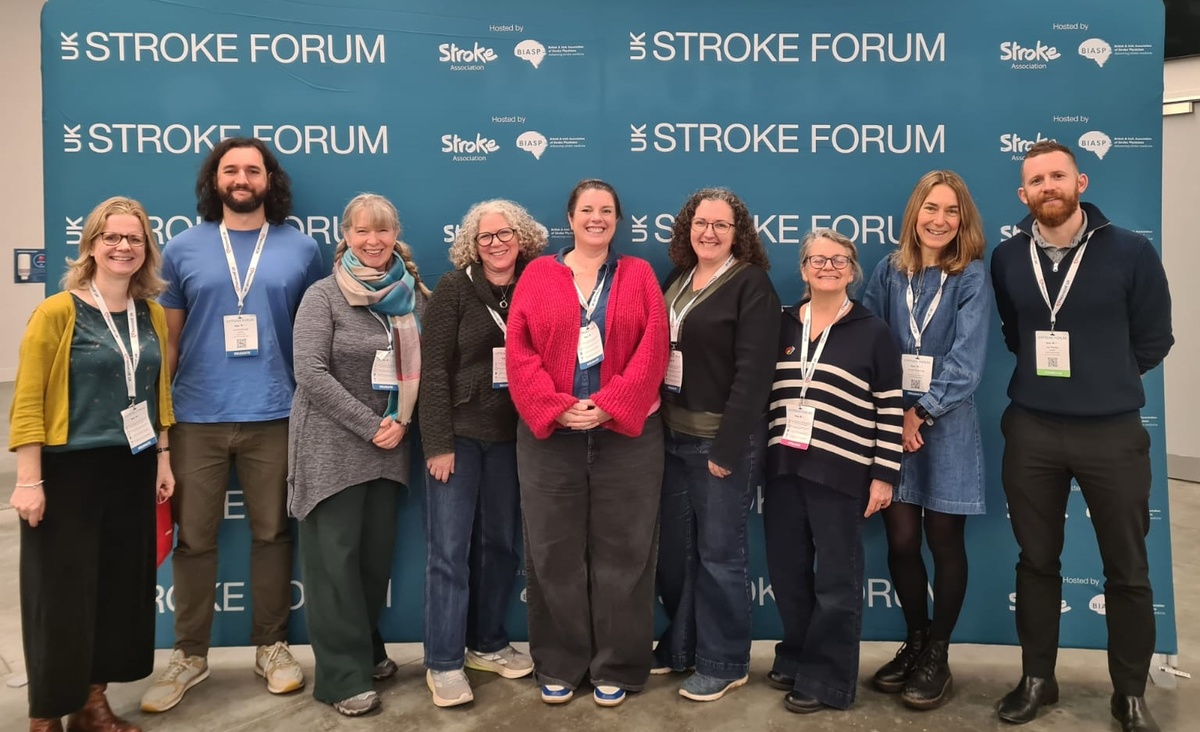
Our CEO Rebecca Sheehy spent the last week of November representing Bristol After Stroke at the UK Stroke Forum. How did it go? And what did she learn?
With attendees coming from all over the country, I felt very proud to be representing our work and our community
I was also surprised by the number of people who knew of us! One health professional in Wiltshire said her father came to one of our groups and loved it, which brings me so much joy – as well as lots of people saying they wished they had services like ours available locally.
As well as presenting a poster on the Life After Stroke Services in our region with Sirona and the Stroke Association, BAS had contributed to several projects that were being presented in posters at the event.
Critically, it was an opportunity to learn from professionals from a wide range of disciplines as well as the lived experiences of stroke-affected people - some of which were truly inspiring. I’m delighted to say that some of the people who spoke have said that they will be happy to contribute to upcoming online HIT events, sharing their experience, ideas and knowledge.
It was also an opportunity to see how the services we offer compare with those available in other parts of the country and what we can do to improve what we do.
The benefits of physical activity
One of the most interesting themes that emerged during the conference, not least from the contributions from stroke-affected people, was just how big a part physical activity can play in the recovery journey in:
• Overcoming grief
• Dealing with frustration
• Reducing anxiety
• Coping with “Can’t Be Bothered Days”
• Aphasia
• Improving self-worth
• Supporting self-management
• Developing a sense of self
• Seeing a future
So what were the key takeaways?
1. I felt that BAS is providing really comprehensive support in a person-centred and innovative way.
2. As a region and a broader team we have really great people working to support stroke-affected people.
3. The need to understand, identify and support cognitive communication disorder – where the communication issues are due to cognition not aphasia.
4. Physical activity can be a catalyst for change.
5. The importance of explaining to people what recovery can look like.
6. The importance of looking after the emotional wellbeing of stroke-affected people, being able to listen effectively and give time to exploring emotional wellbeing.
All this will help us look at a number of refinements for our services and activities into the future!
Also huge congratulations to the Stroke Association for such a well organised event and informative event.
The quote of the conference for me: “You can only change at the speed of trust.”


